
TMS Therapy for Depression
TMS Therapy — A Breakthrough Treatment for Depression Without More Medication.
Transcranial Magnetic Stimulation (TMS) targets the brain circuits behind many mental health conditions directly — no pills, no sedation, no downtime. At NeuroStim, 71.5% of our patients achieve significant improvement.
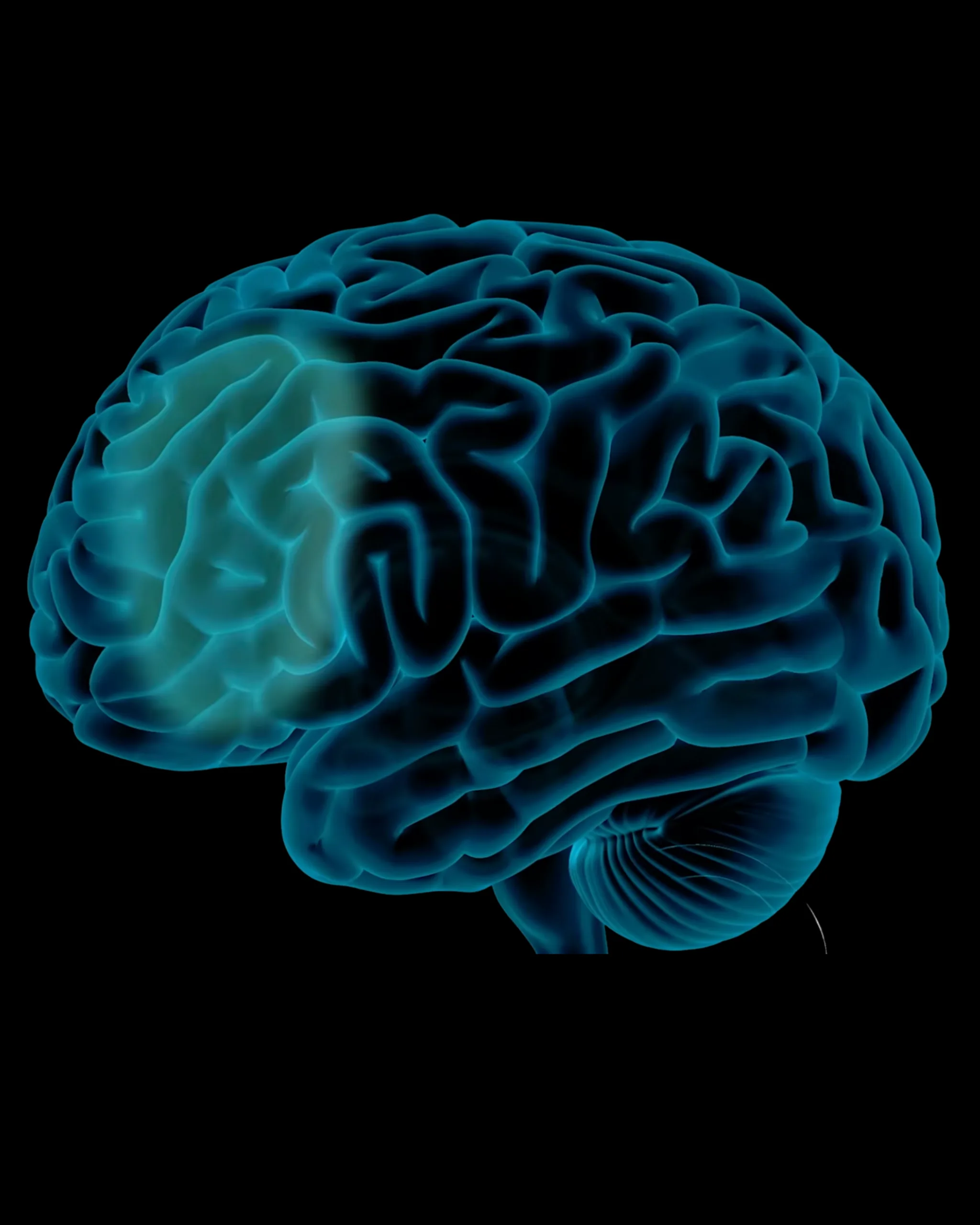
What Is TMS Therapy?
How TMS Therapy Treats Depression
Depression involves underactivity in the dorsolateral prefrontal cortex — the part of the brain responsible for mood regulation, motivation, and emotional processing. When this region isn’t firing properly, the result is persistent sadness, loss of interest, and the feeling that nothing will ever improve.
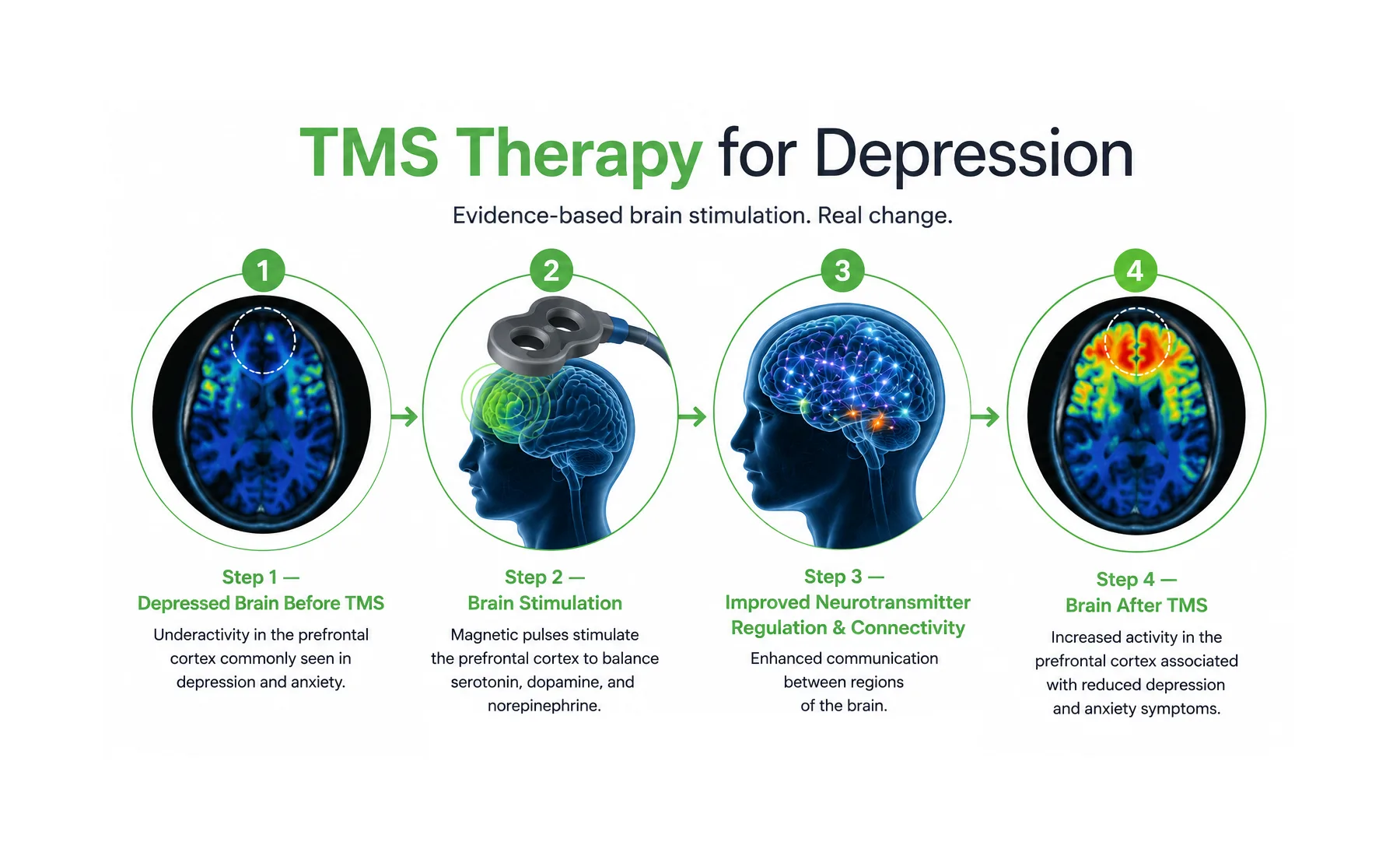
Transcranial Magnetic Stimulation (TMS) delivers targeted magnetic pulses directly to the underactive prefrontal cortex, stimulating neural activity and restoring normal brain function. Unlike antidepressants, TMS doesn’t circulate through your entire body — it targets the brain circuits involved in depression.
Each session typically lasts 15–20 minutes at one of our 16 treatment centers. You sit comfortably in a chair while a magnetic coil delivers pulses to the treatment area. There’s no anesthesia, no sedation, and no recovery time. Most patients drive themselves home immediately after.
Why Choose NeuroStim?
Leading National TMS Provider
|
16
Locations to Serve You
WA, AZ & MN |
Most Major
Insurance Accepted
Verified at no cost to you |
|
600+
5-Star Google Reviews
98% patient satisfaction |
300,000+
TMS Treatments Delivered
Unmatched clinical experience |
Welcome to NeuroStim TMS Centers
With more than 300,000 TMS Treatments completed, take a tour of one of our state-of-the-art facilities to see what a NeuroStim TMS Therapy session looks like.
Industry-Leading Outcomes
Significant Improvement
Full Remission
TMS Treatments
Patient Satisfaction
Candidacy
Is TMS Right for Your Depression?
▼
If you’ve tried antidepressants without lasting relief — or experienced intolerable side effects — TMS may be the next step. TMS is particularly effective for Major Depressive Disorder that hasn’t responded to medication, what clinicians call “treatment-resistant depression.”
TMS can also be used alongside existing treatments. Many patients continue therapy or low-dose medication while undergoing TMS, and find the combination more effective than either approach alone. Your NeuroStim clinician will work with your existing care team.
*TMS is FDA-approved for Major Depressive Disorder (2008). Your clinician will assess whether TMS is appropriate for your specific diagnosis and treatment history.

Covered by Most Major Insurance Plans
Premera Blue Cross
BCBS of Arizona
Regence
United Healthcare
Aetna
Tricare / VA-TriWest
LifeWise
Kaiser Permanente
Hear What Our Patients Have to Say
Real stories from real NeuroStim TMS patients.
Who Qualifies?
Who Is a Candidate for TMS Treatment?
Patients with Major Depressive Disorder (MDD), Anxiety, PTSD, and OCD are candidates for NeuroStim TMS treatment. TMS is especially effective for medication-resistant depression — one of the safest and most clinically validated treatments available.
Start your journey toward remission with NeuroStim TMS Centers.
Frequently Asked Questions
Is TMS FDA-approved for depression?
Yes. TMS has been FDA-approved for Major Depressive Disorder since 2008 — making it one of the most established non-medication treatments for depression available today.
How many sessions will I need?
A standard TMS course is 36 sessions over approximately 6–9 weeks. Most patients begin noticing improvement within 2–3 weeks. Your NeuroStim clinician will tailor your treatment plan based on your symptoms and response.
Does Insurance Cover TMS Therapy
Yes. Most major insurance plans cover TMS for depression, including Premera Blue Cross, BCBS of Arizona, Regence, United Healthcare, Aetna, TriCare, VA/TriWest, and Kaiser. Our team handles insurance verification at no cost to you.
Are there side effects?
TMS has far fewer side effects than antidepressants. The most common is mild scalp discomfort at the treatment site, which typically diminishes as treatments progress. There’s no weight gain, sexual dysfunction, nausea, or sedation.
Can I continue my antidepressants during TMS?
Yes. TMS can be used alongside your existing medications and therapy. Many patients find TMS significantly enhances the effectiveness of their current treatment plan.
Where are NeuroStim TMS centers located?
NeuroStim operates 16 TMS treatment centers across Washington, Arizona, and Minnesota. Visit our locations page to find your nearest clinic.
You’ve tried antidepressants. It’s time to try something different.
Ready to Treat Your Depression at the Source?